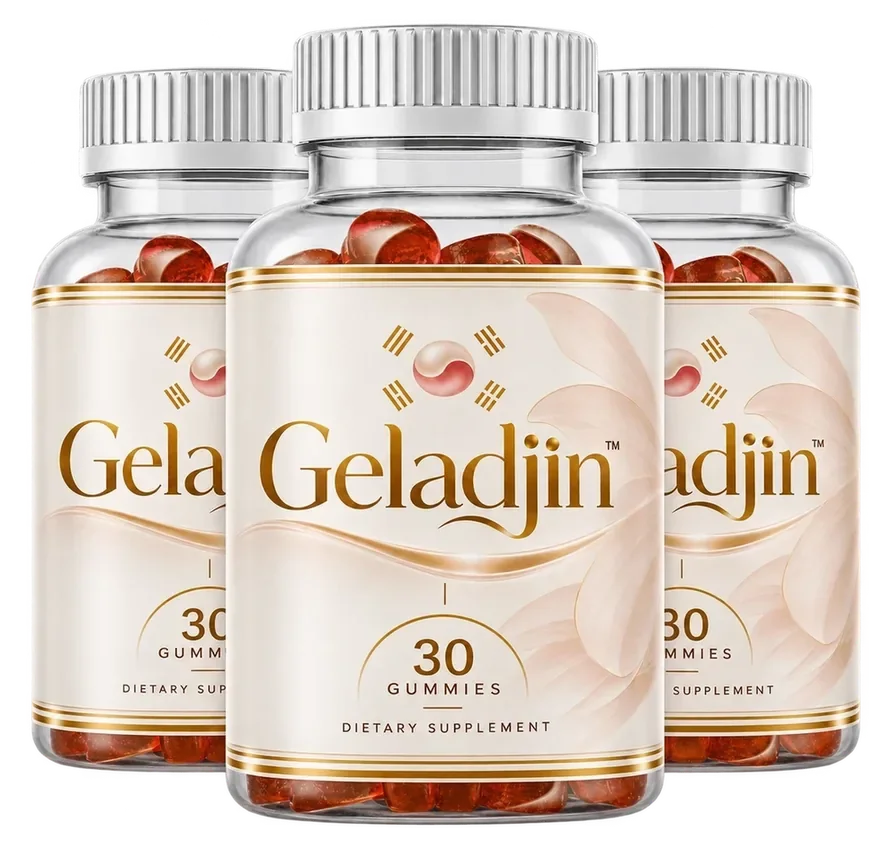
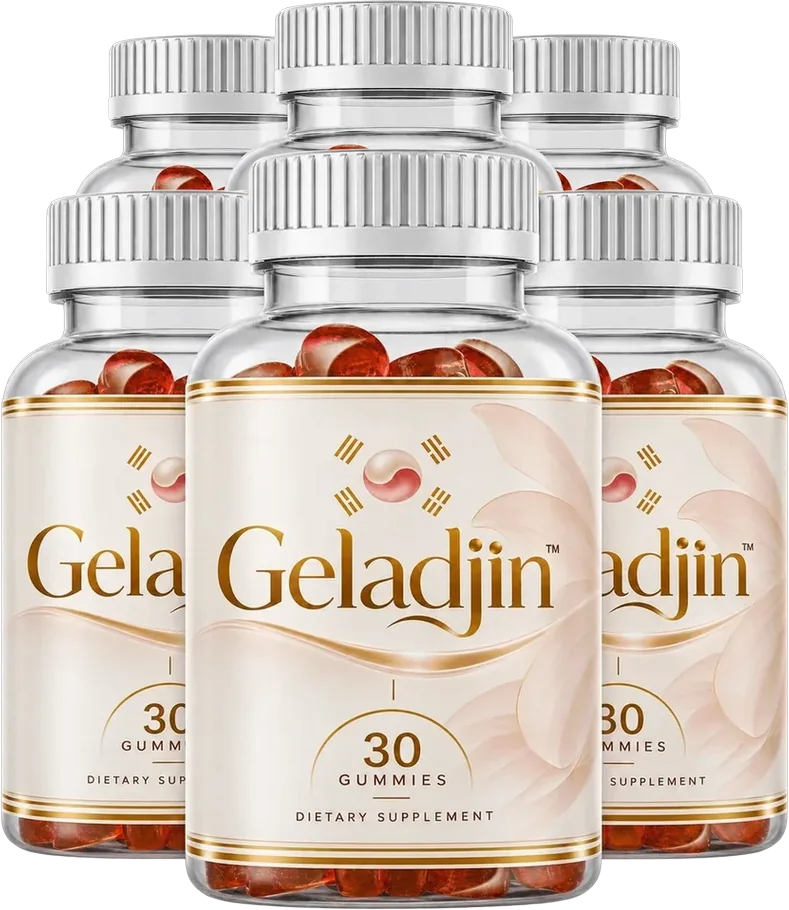
Geladjin side effects are not listed anywhere on the bottle, and this site cannot tell you what your body will do. What the label does print is a caution asking three groups to consult a physician before use.1
This page is a reading guide, not medical advice. It sets out who should ask first, what public health sources say about apple cider vinegar in general, and what to do if something feels wrong. As of November 2026, nothing here says Geladjin causes or avoids any particular reaction.
Who should ask a doctor before using Geladjin?
Three groups should talk to a physician first, because the label says so.1
- People who are pregnant or nursing
- People under 18
- People with a known medical condition
The label also says to keep the bottle out of reach of children, not to exceed the recommended dose and not to use it if the safety seal is damaged or missing.1
FDA gives similar advice for any supplement: talk to a doctor, pharmacist or other health professional first, because a supplement may interact with medicines or other supplements.2
What does the label print, and what does it leave out?
Per gummy, the panel shows apple cider vinegar at 250 mg and ginger dry extract at 1 mg, in a bottle of 30.1 It also lists pectin, cane sugar, tapioca syrup, citric acid and sodium citrate among the other ingredients.1
It does not print an allergen statement or an acetic acid amount in milligrams.1 If you have an allergy, read the whole panel yourself and ask a professional. For a full walk-through, see the Geladjin ingredients page.
What do public sources report about vinegar?
Public sources describe cautions for vinegar in general, mostly liquid vinegar, and they do not test this gummy. Cleveland Clinic says vinegar can wear away tooth enamel, which does not grow back, and that undiluted vinegar can irritate the esophagus.3 It adds that people with gastroparesis should be cautious and people with low potassium should avoid vinegar.3
NIH MedlinePlus likewise says people with low blood potassium should not use apple cider vinegar, because it may lower potassium further.4 Because those pages are about liquid vinegar in food-like amounts, they cannot be applied directly to a gummy that prints 250 mg of apple cider vinegar.
Check first: If you have low potassium, kidney problems or a stomach-emptying condition, ask a doctor before using any vinegar product, including a gummy.
Which medicines do sources mention?
Sources name several medicine groups that deserve a conversation before anyone uses vinegar products. They are summarized below.
| Medicine or group | What the source says | Source |
|---|---|---|
| Insulin | Vinegar may interact; both may affect potassium | Cleveland Clinic, MedlinePlus |
| Diuretics (water tablets) | Possible interaction; both may affect potassium | Cleveland Clinic, MedlinePlus |
| Digoxin | Large amounts may lower potassium and raise digoxin side effects | MedlinePlus |
| Diabetes medicines | Blood sugar may drop too far, so close monitoring is advised | MedlinePlus |
Cleveland Clinic also lists laxatives and some blood pressure medicines as possible interactions.3 These are findings about vinegar in general.4 This page does not suggest starting, stopping or changing any medicine; that decision belongs to your prescriber.
Does the sugar and citric acid in a gummy matter for teeth?
Public sources say it can, and the label shows both ingredients. Cleveland Clinic warns that gummy sugar and citric acid stick to teeth, which adds to cavity risk.5 The Geladjin label prints 3 g of total sugars, all listed as added sugars, and citric acid among the other ingredients.1
This site makes no claim that the gummy is gentle on teeth. If dental health is a concern, ask a dentist how a daily gummy fits your routine. The label also suggests taking one gummy with an 8 oz glass of water, and the how-to-take page covers that wording.1
When should you stop and get urgent care?
Stop using the product and seek medical care if you notice a serious or worrying reaction. In general terms, that means trouble breathing, swelling of the face or throat, a severe rash, chest pain, fainting, or pain when swallowing that does not settle.
Bring the bottle to the clinician. For milder upset, such as stomach discomfort, a pharmacist or doctor can say whether to continue. Public sources note that some people report stomach upset or reflux with vinegar, but they do not say how often it happens with a gummy.3
What does FDA do, and how do you report a problem?
FDA cannot approve a supplement ahead of sale, and it generally does not sign off on labeling or claims either.2 Companies carry the first responsibility for safety and proper labeling, and FDA acts after sale if a product proves unsafe.2
Consumers and providers can report a problem through FDA's Safety Reporting Portal.2 Keep the bottle, lot information if it is printed, and your order email. You can also reach the distributor using the contact details on the label, or write to this site about the page itself.
Keep a written medicine list
NIH's Office of Dietary Supplements advises keeping a written list of every supplement and medicine you use, with the dose, how often and why.6 It also says side effects are most likely with high doses, when many supplements are combined, or when a supplement replaces prescribed medicine.6
Show that list to every provider, including a surgeon before any procedure.6 You can order from the Geladjin official website only after you have decided it is right for you. The disclaimer explains the limits of this information site.
Frequently asked questions
What are the known Geladjin side effects?
No Geladjin side effects are listed on the label or on this site. The label gives a caution instead, asking pregnant or nursing mothers, people under 18 and people with a known medical condition to consult a physician first.1 Public sources describe cautions for vinegar in general, which are not findings about this gummy.
Can I take Geladjin with my medicines?
Ask a doctor or pharmacist before you do. Sources report possible interactions between vinegar and insulin, diuretics, digoxin and diabetes medicines.4 Bring your written medicine list so the pharmacist can check each item.
Is Geladjin safe during pregnancy or while nursing?
Do sources link vinegar to tooth or stomach problems?
Where do I report a bad reaction?
Report it through FDA's Safety Reporting Portal, and tell your doctor.2 Seek urgent care first if the reaction is serious.
Sources
- Geladjin bottle label and Supplement Facts panel, as photographed (see the label section on the home page)
- FDA — Questions and Answers on Dietary Supplements
- Cleveland Clinic — What Apple Cider Vinegar Can (and Can't) Do for You
- NIH MedlinePlus — Apple Cider Vinegar
- Cleveland Clinic — Do Gummy Vitamins Work as Well as Traditional Vitamins?
- NIH Office of Dietary Supplements — Dietary Supplements: What You Need to Know (NIH publication 20-OD-8115)